Animal Triste
March 20 – April 19, 2025
François Ghebaly
2245 East Washington Boulevard
Los Angeles, CA
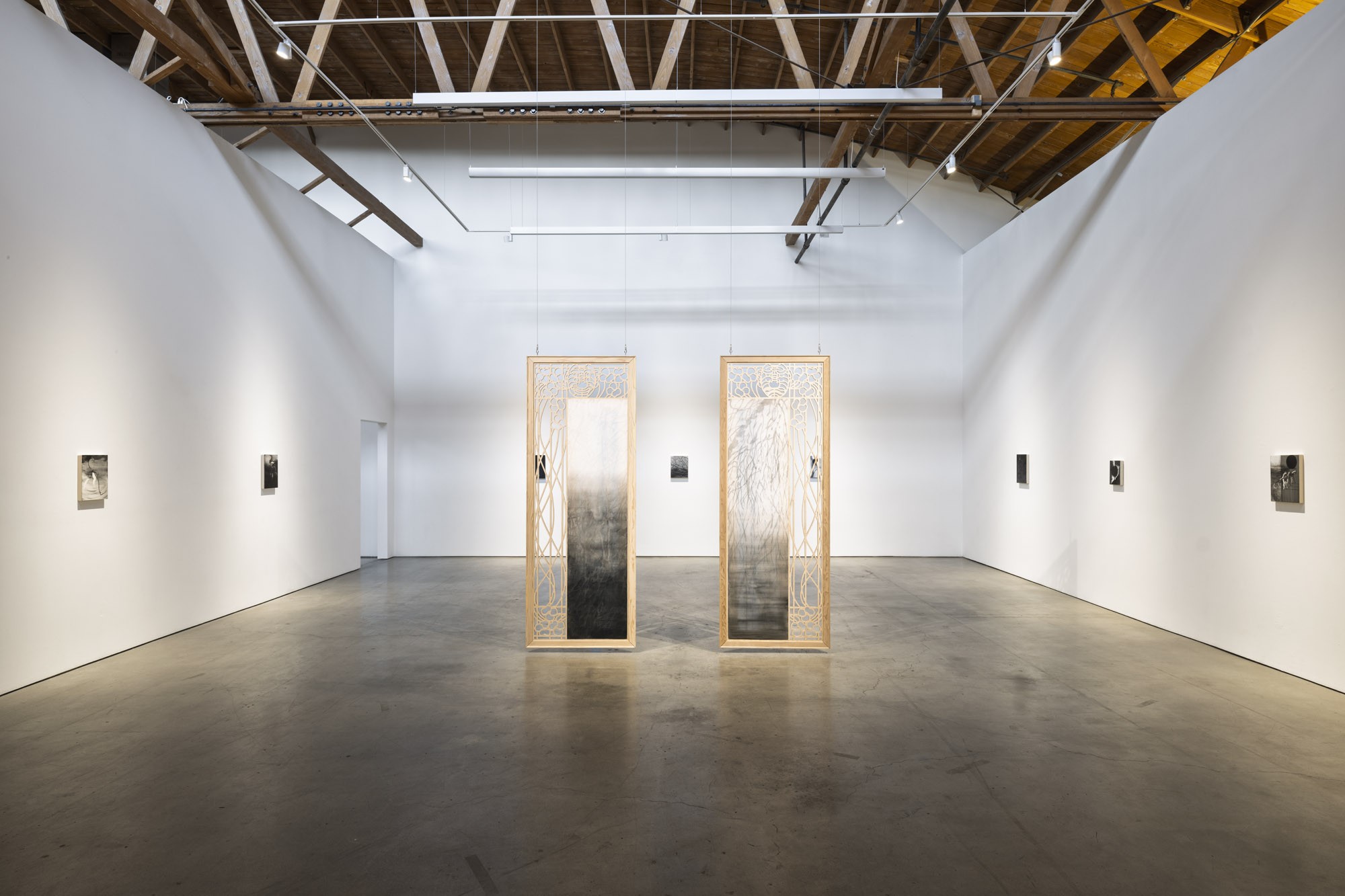
Installation view: Animal Triste, François Ghebaly, Los Angeles, 2025
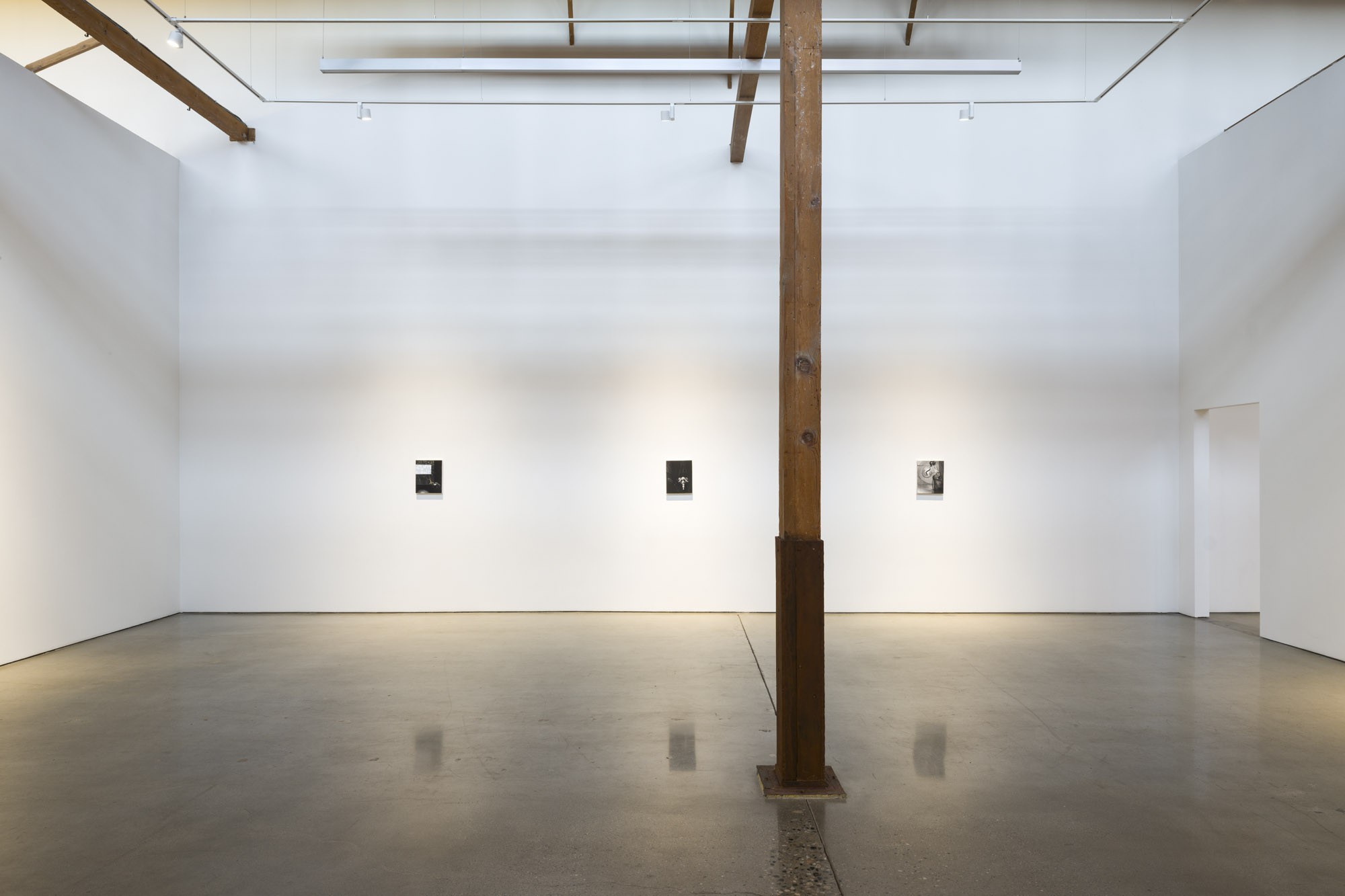
Installation view: Animal Triste, François Ghebaly, Los Angeles, 2025
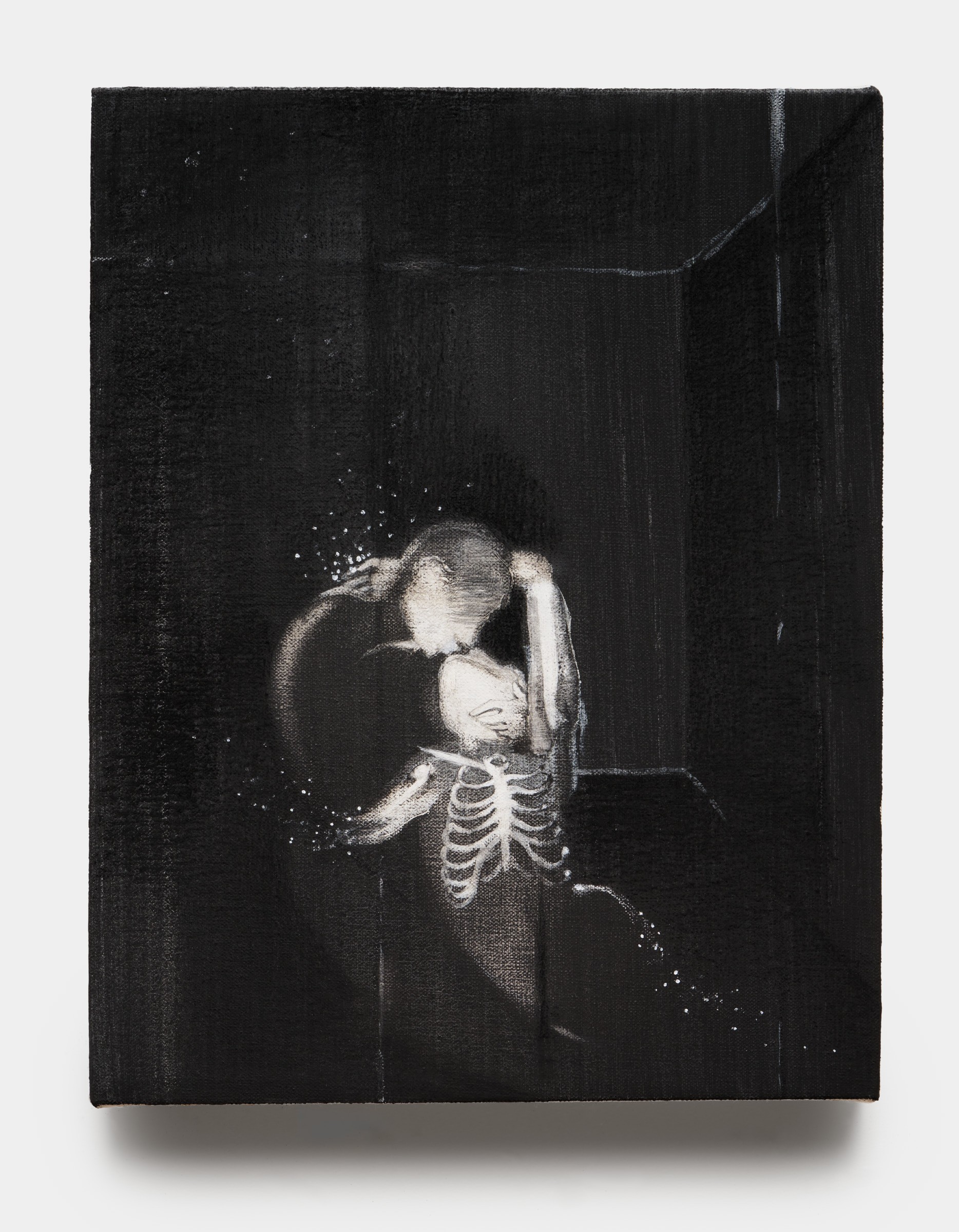
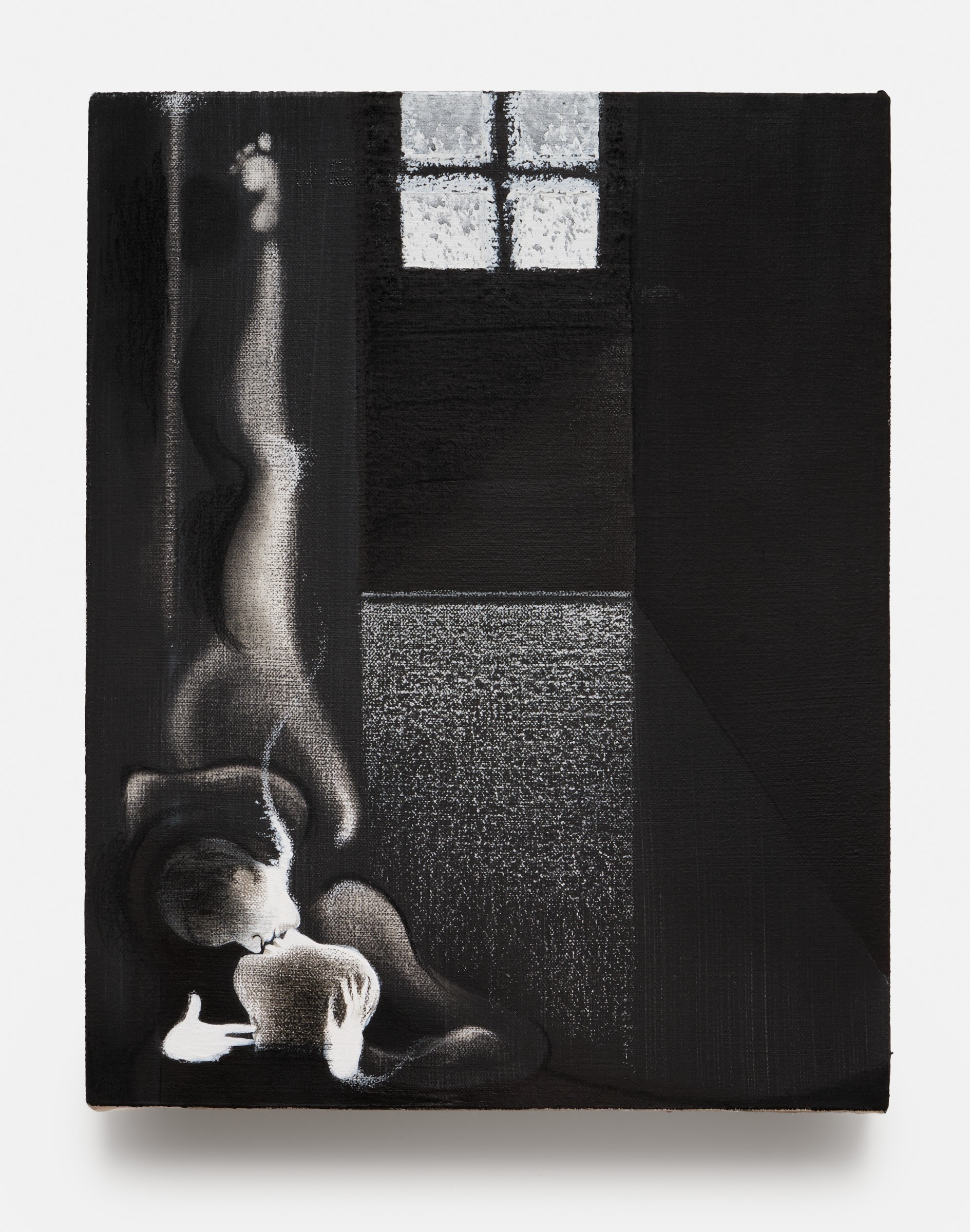
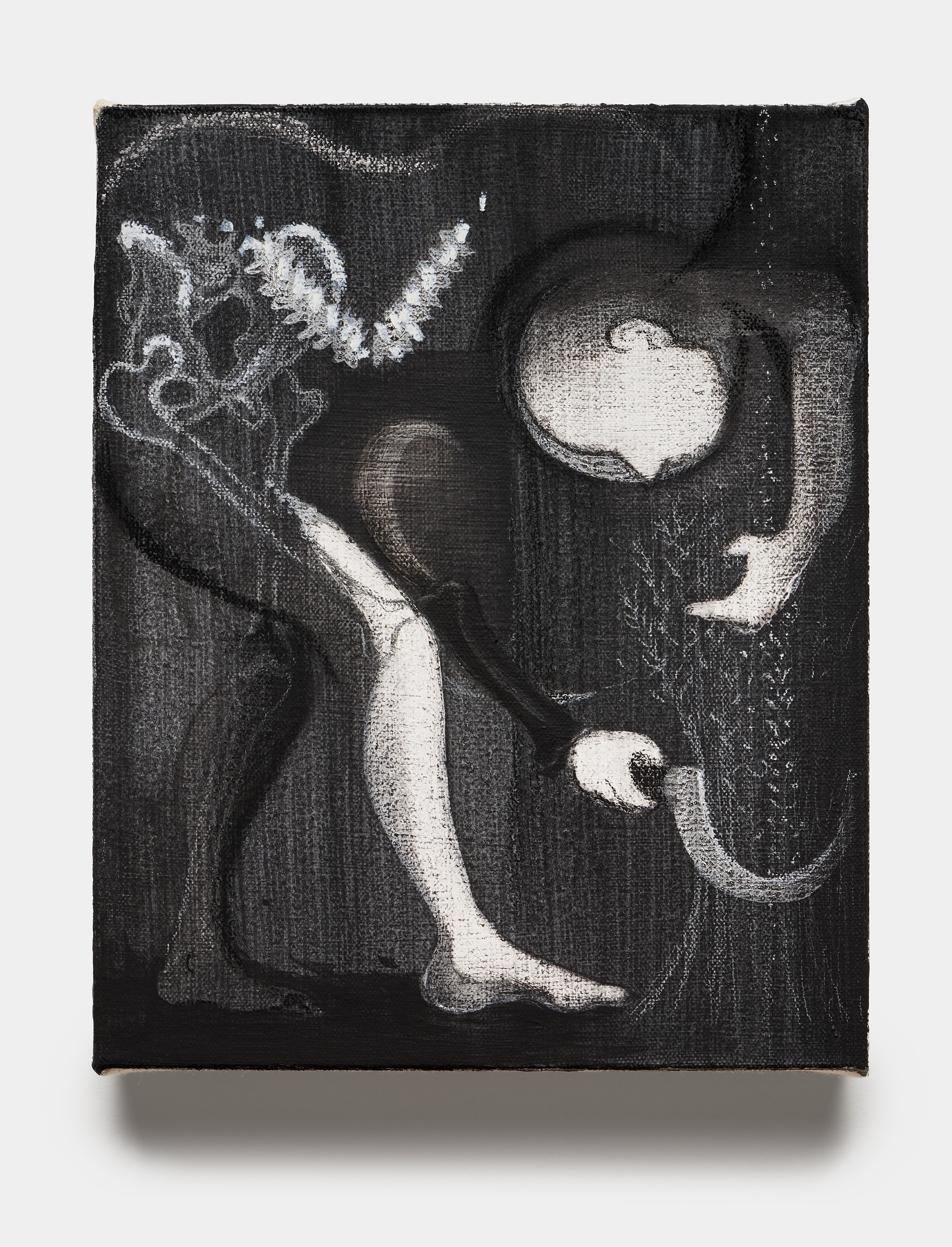
Animal Triste. 2025. 14" x 11". Acrylic, oil, graphite, charcoal, pastel on canvas
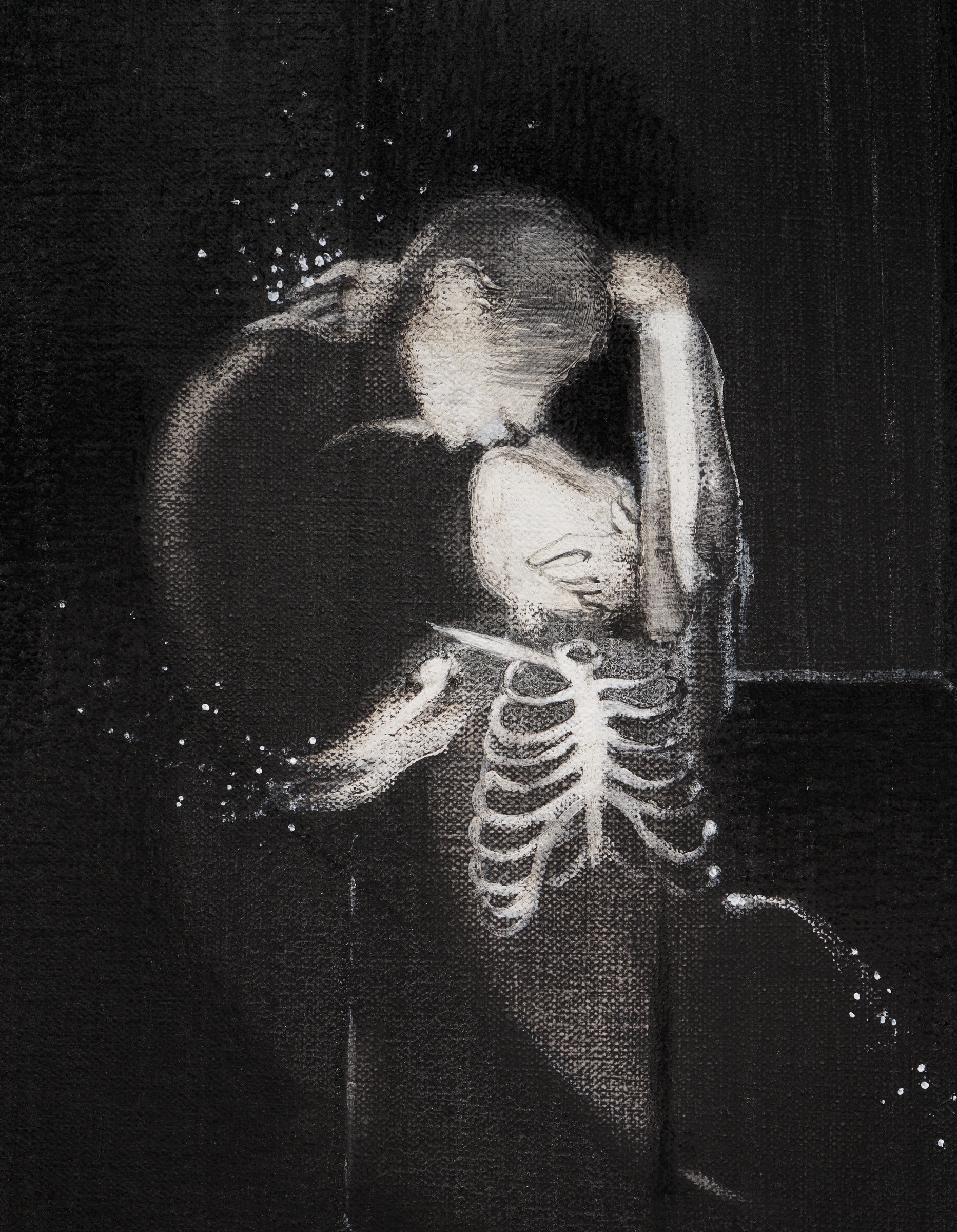
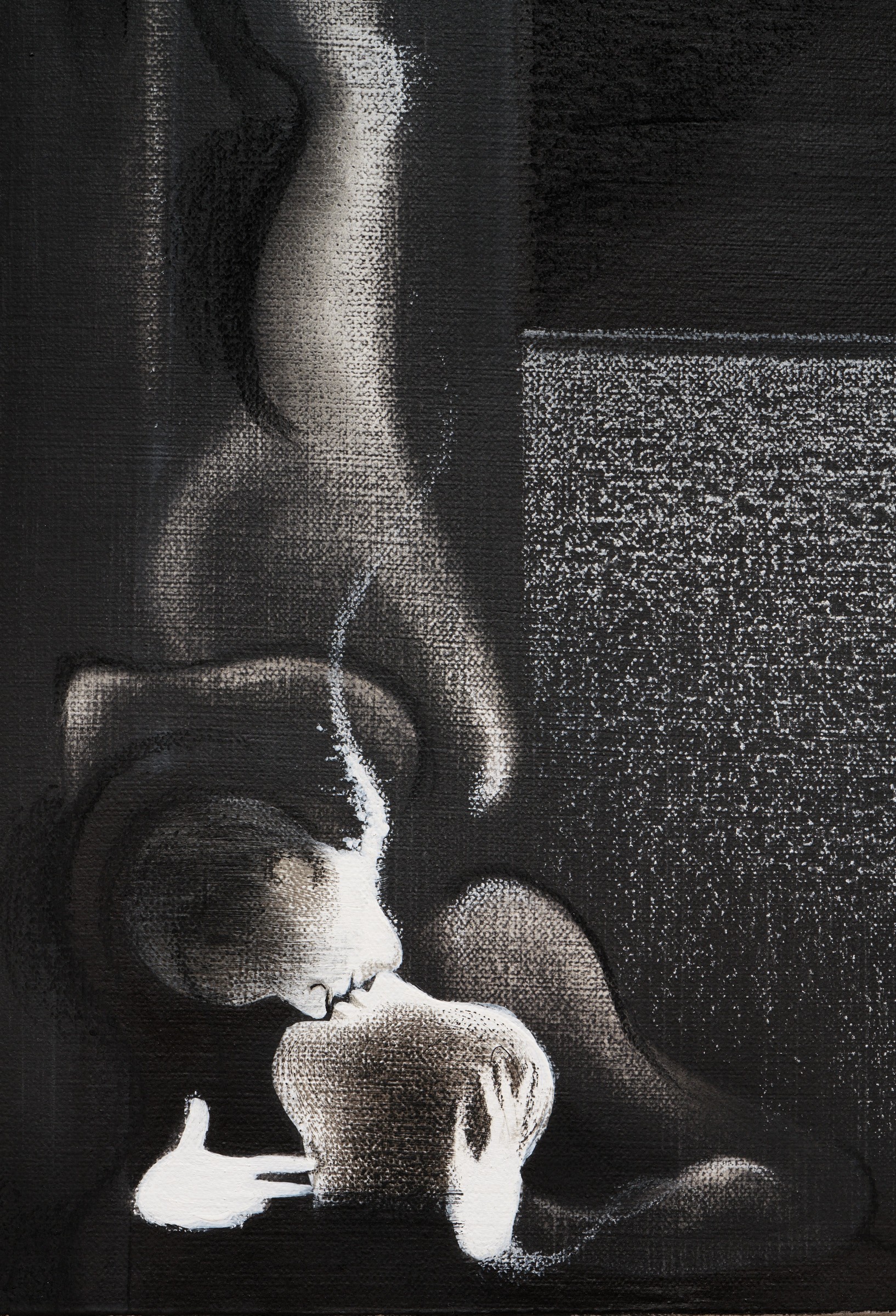
Animal Triste. 2025 (detail)
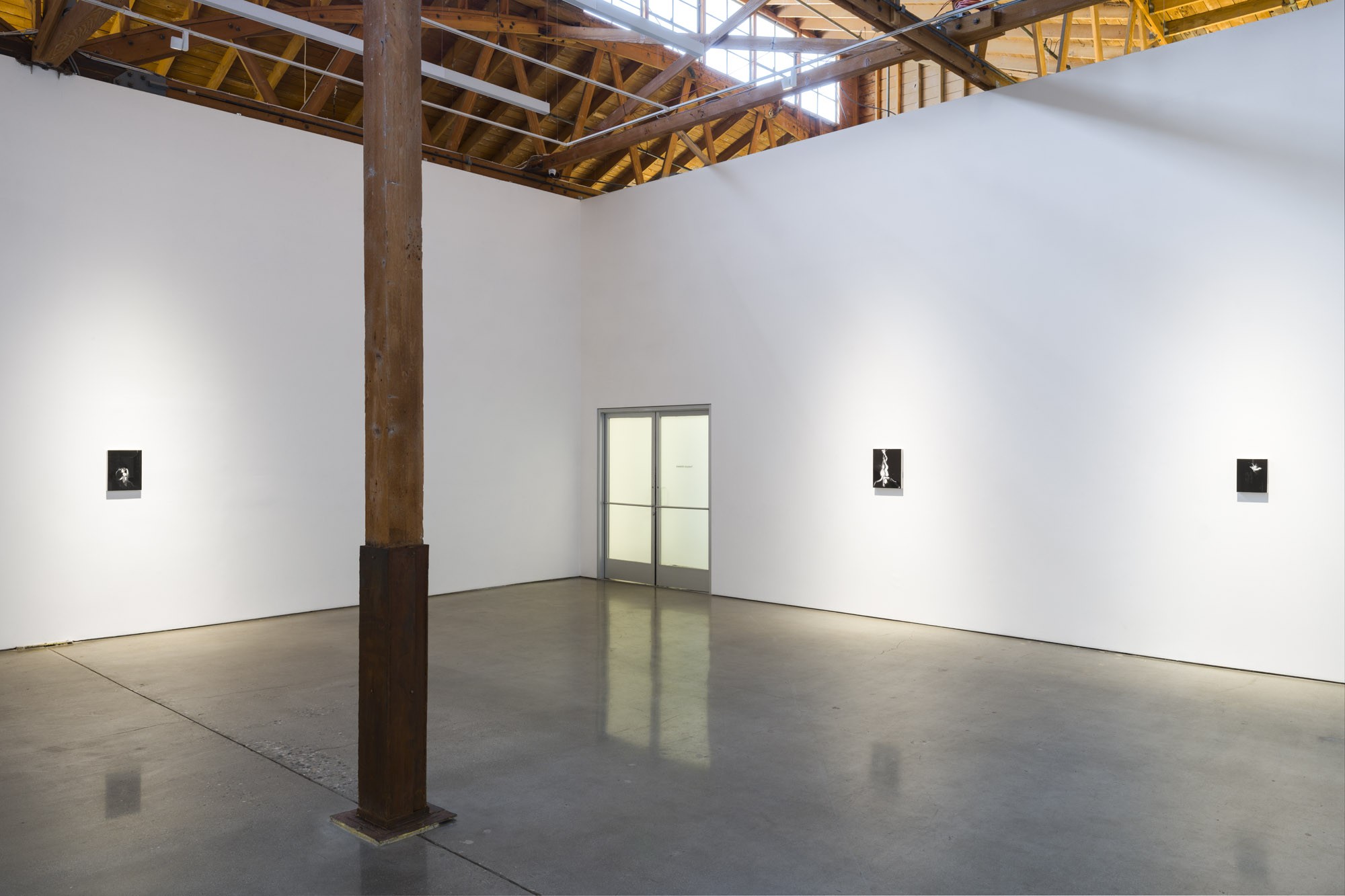
Installation view: Animal Triste, François Ghebaly, Los Angeles, 2025
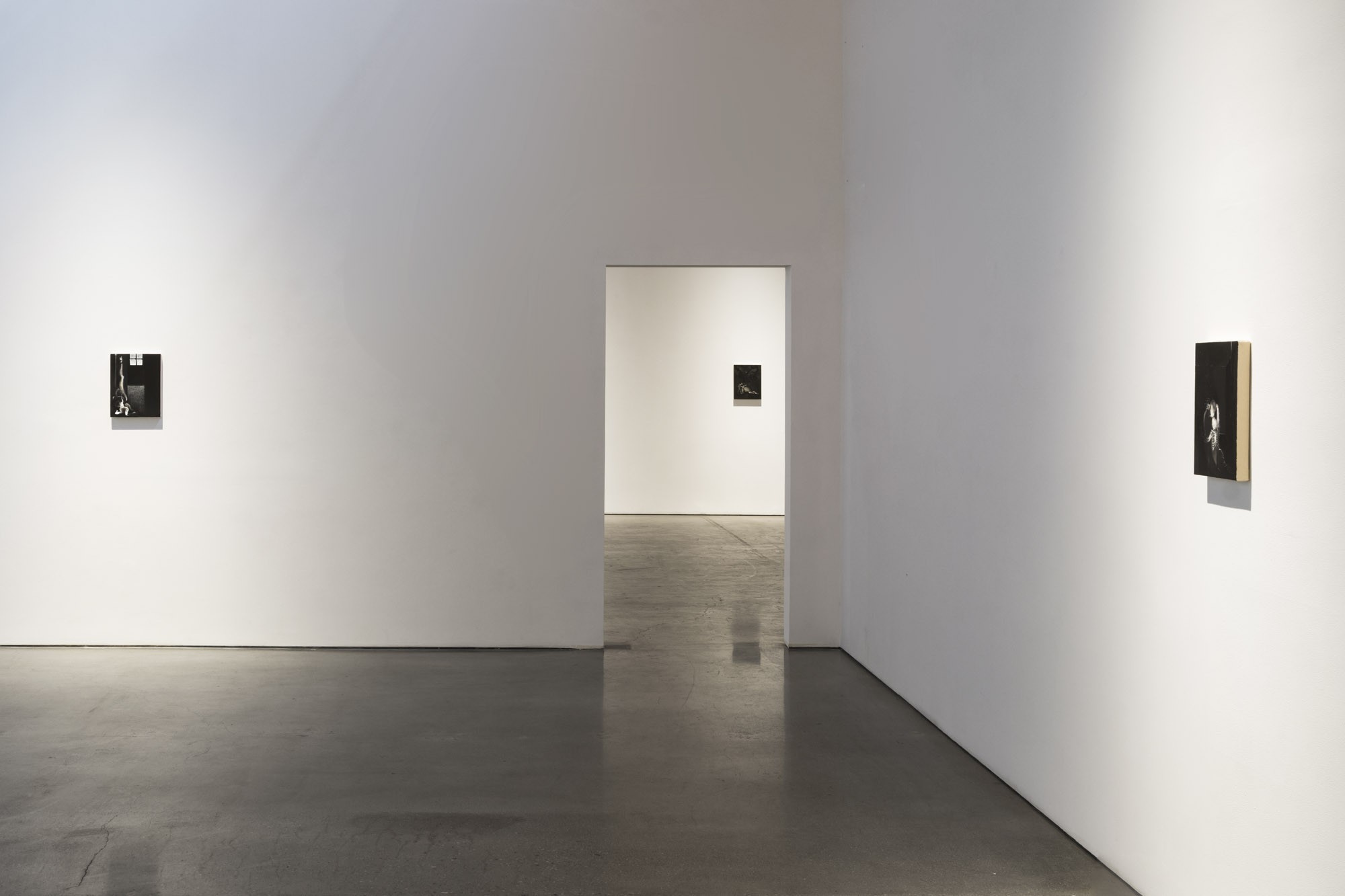
Installation view: Animal Triste, François Ghebaly, Los Angeles, 2025
Palace of Snow. 2025 (detail)
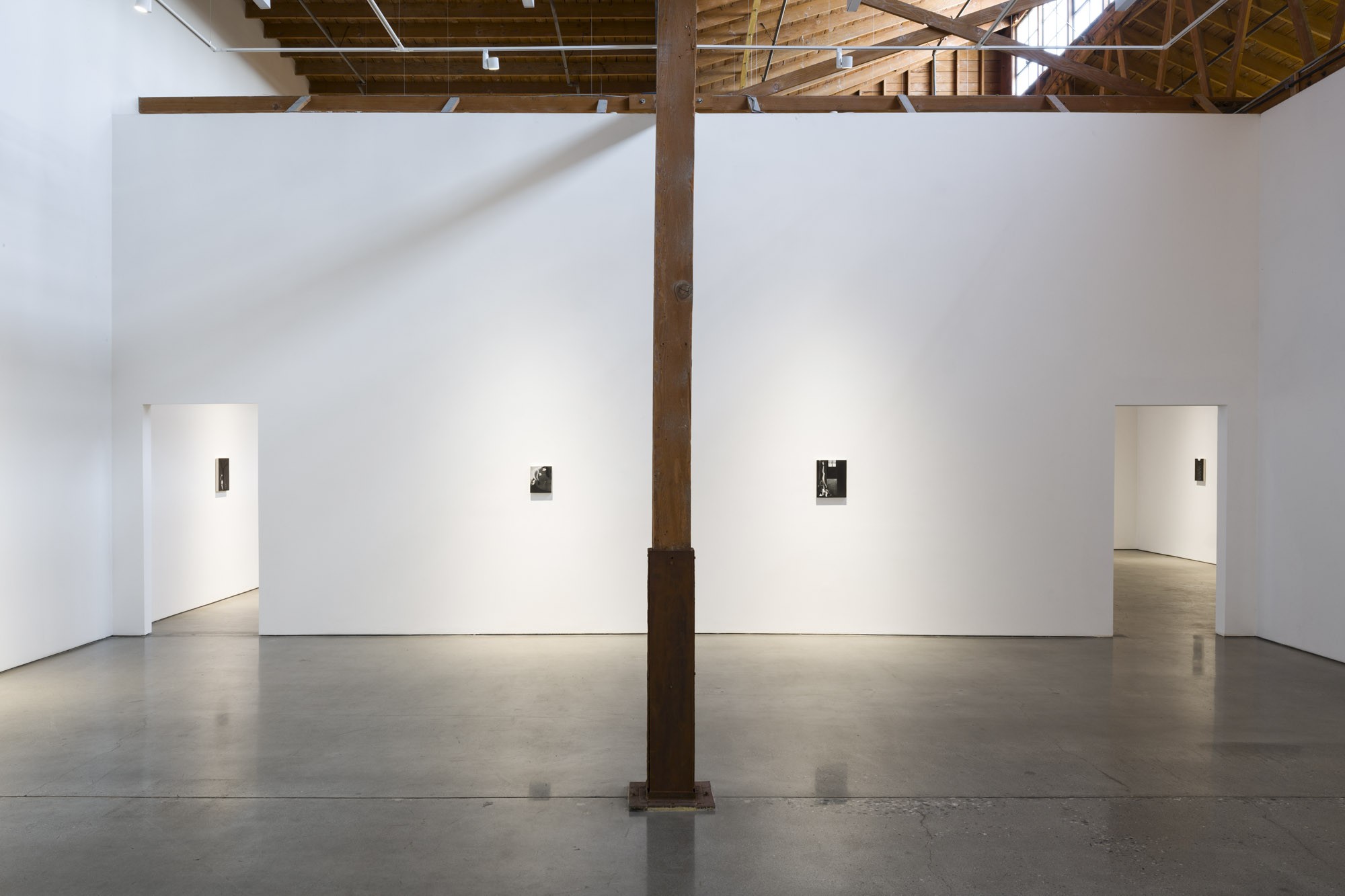
Installation view: Animal Triste, François Ghebaly, Los Angeles, 2025
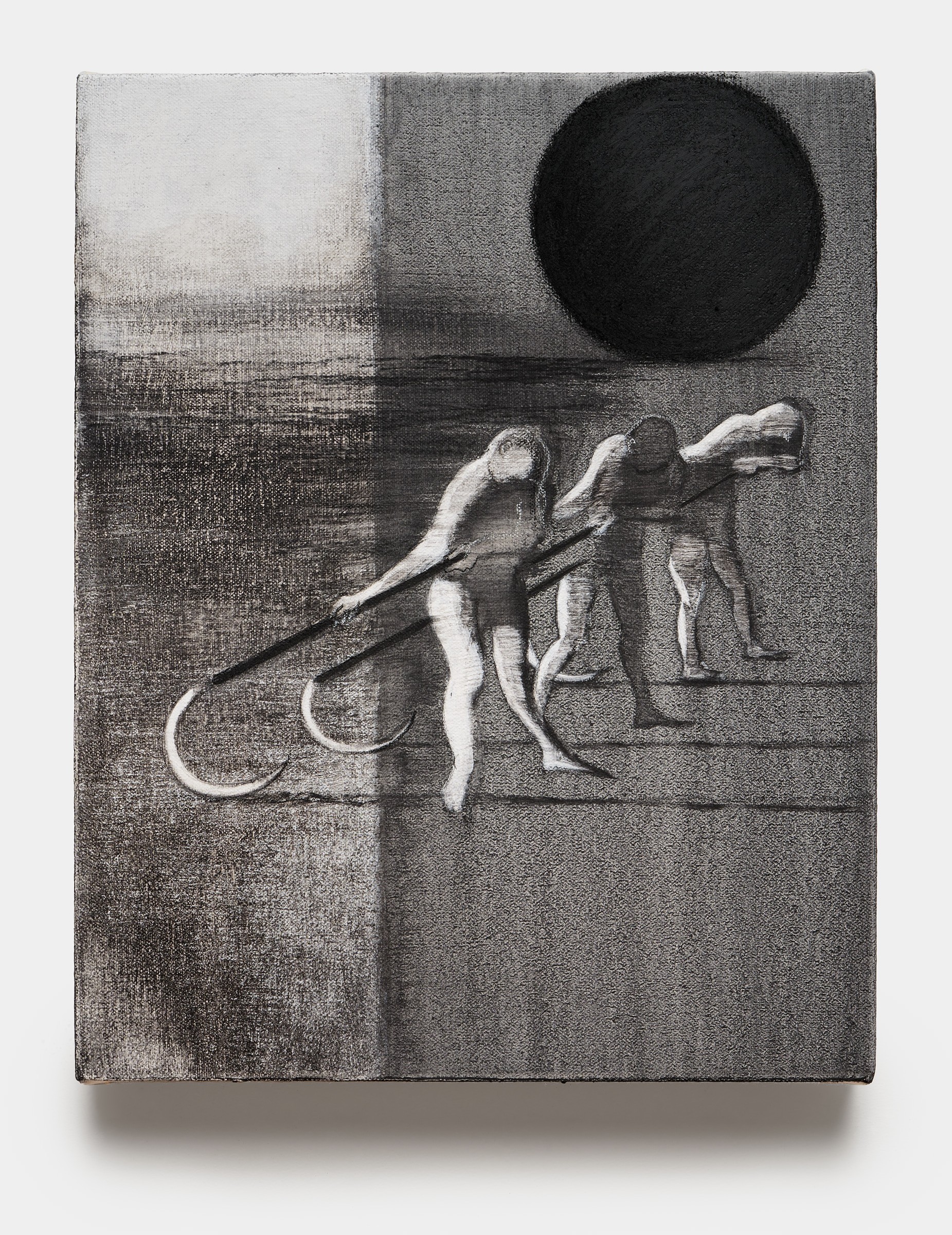
Harvester. 2025. 10" x 8". Acrylic, charcoal, graphite, pastel on canvas
Buried Fire. 2025. 14" x 11". Acrylic, oil, graphite, charcoal, pastel on canvas
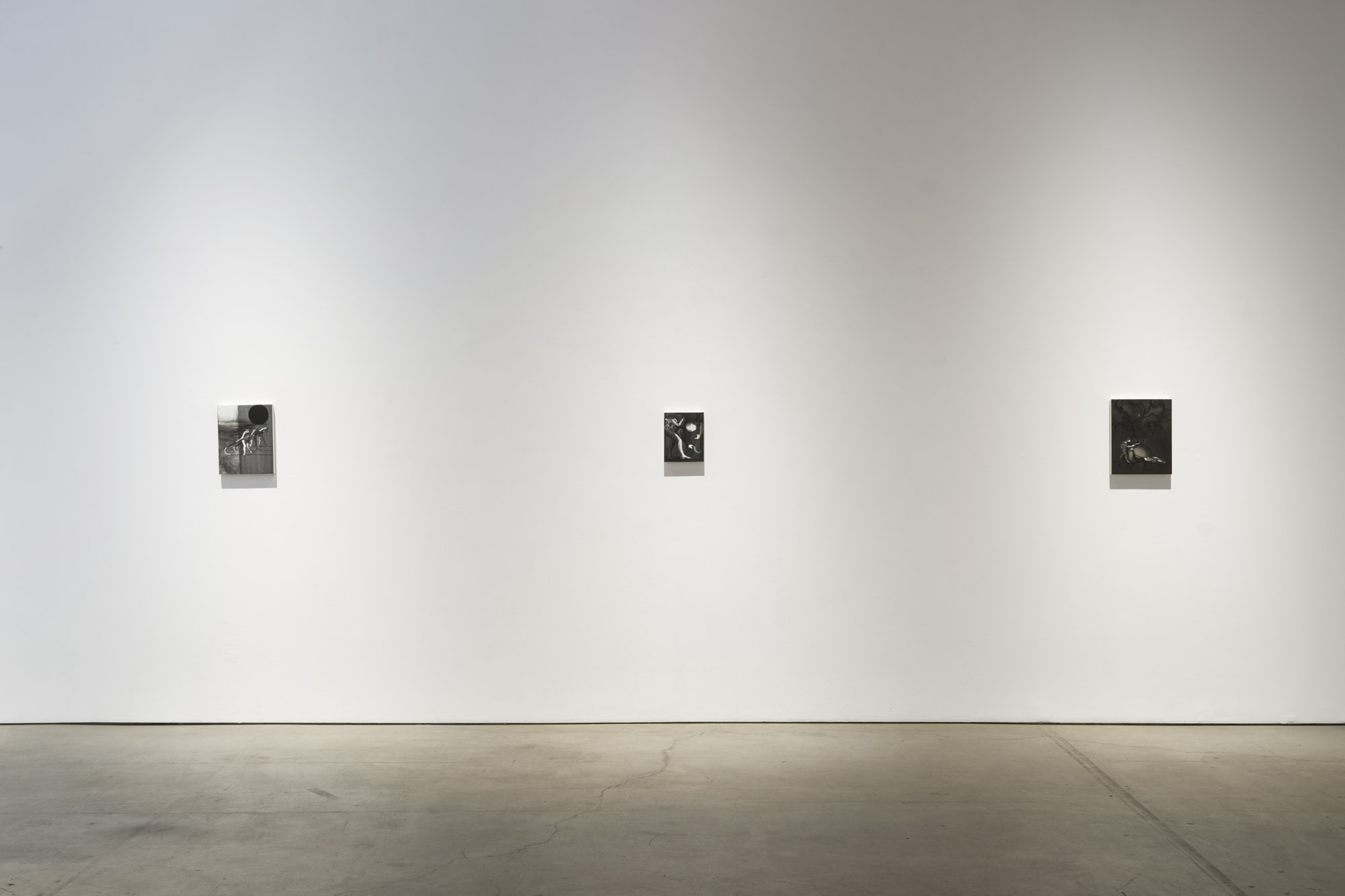
Installation view: Animal Triste, François Ghebaly, Los Angeles, 2025
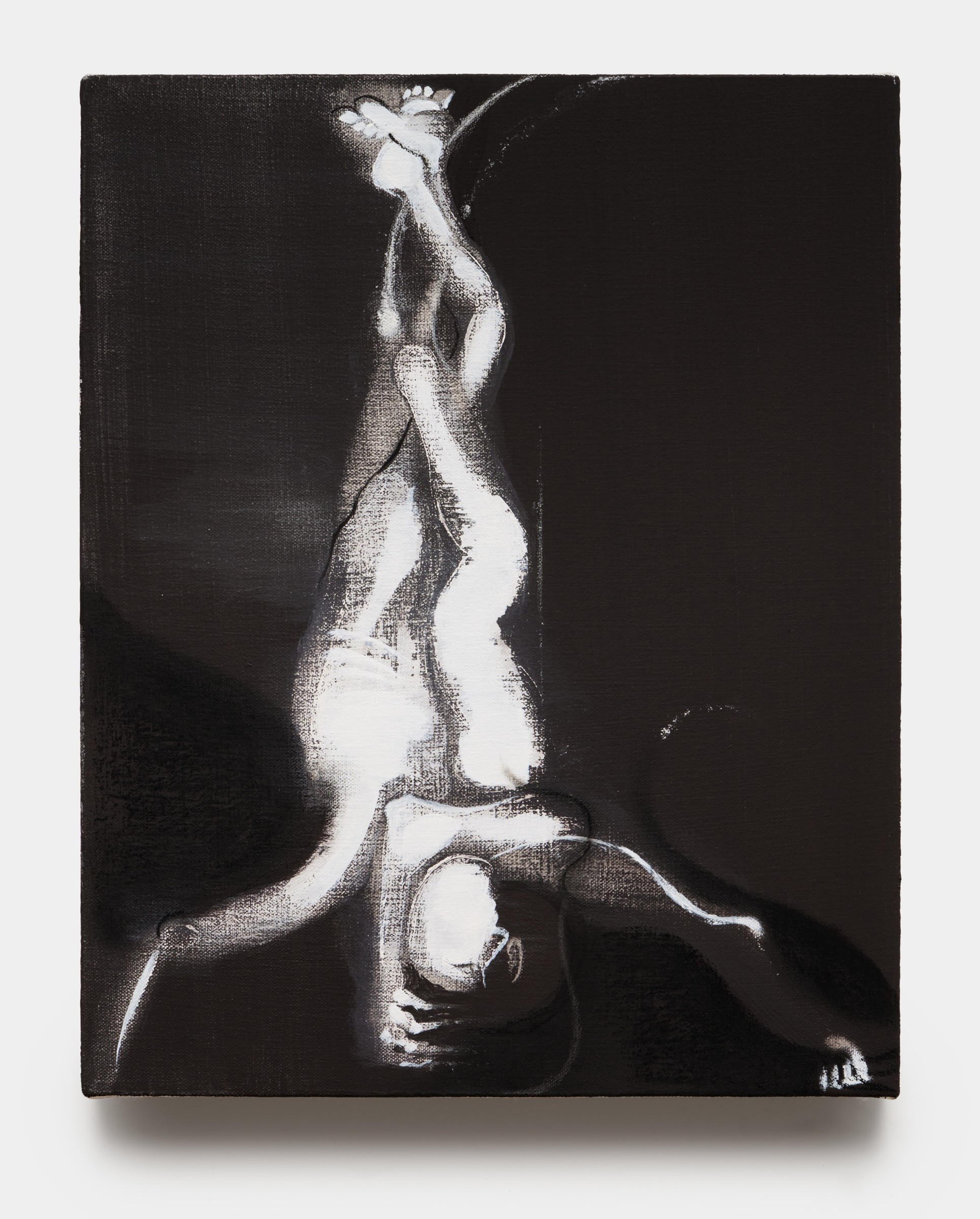
Contours of Stillness. 2025. 15" x 12". Acrylic, charcoal, pastel on canvas.
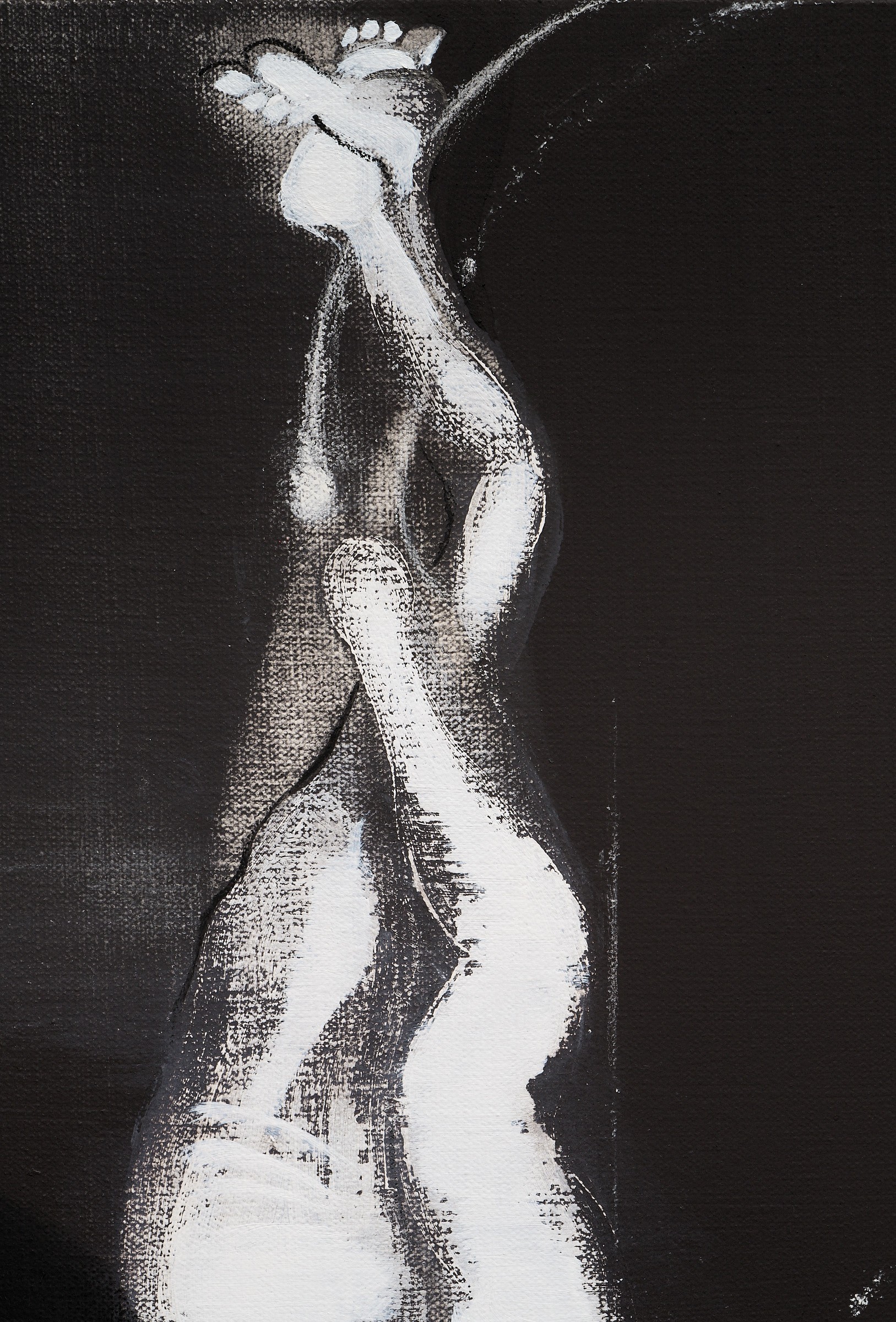
Contours of Stillness. 2025 (detail)
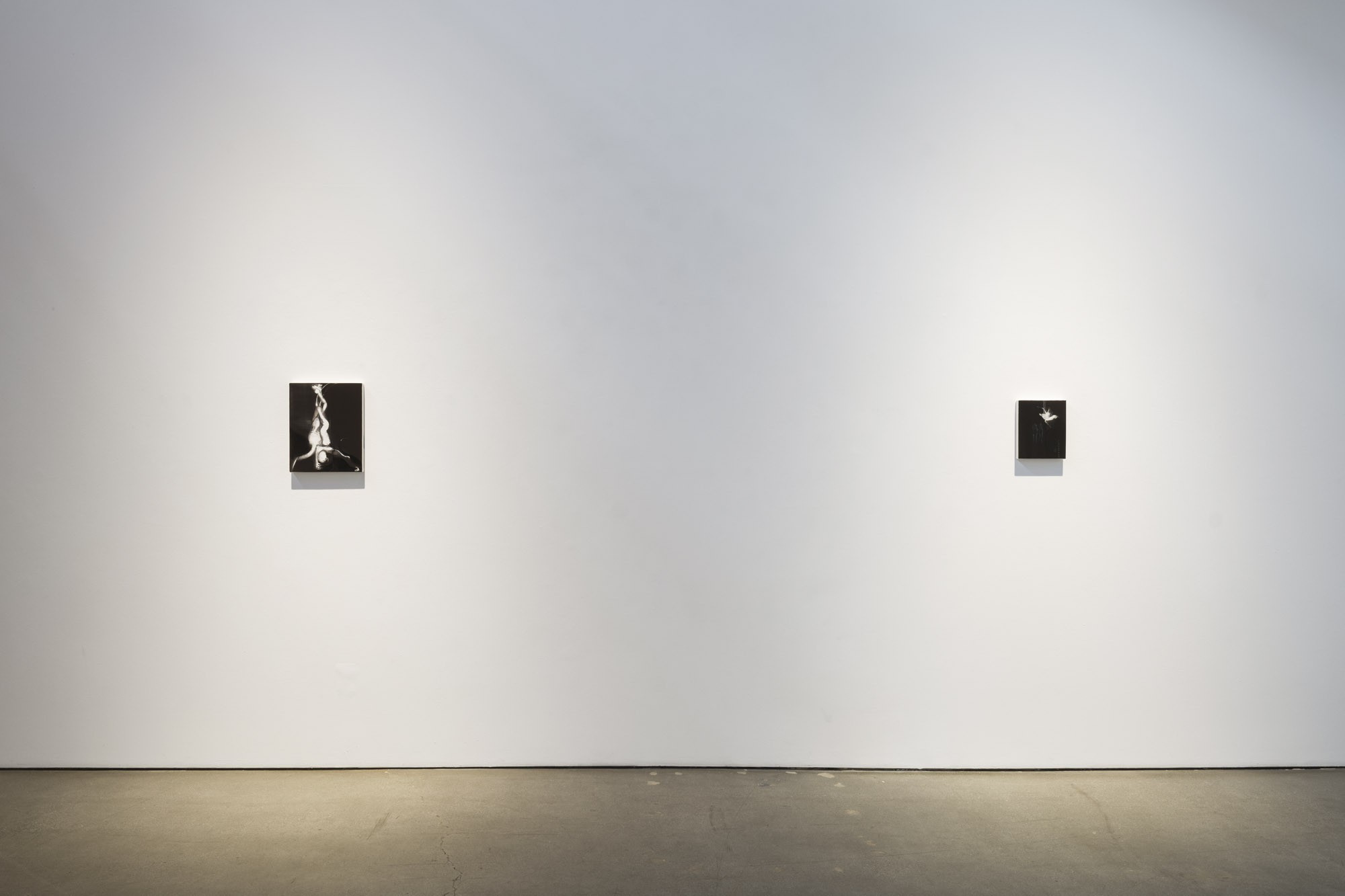
Installation view: Animal Triste, François Ghebaly, Los Angeles, 2025
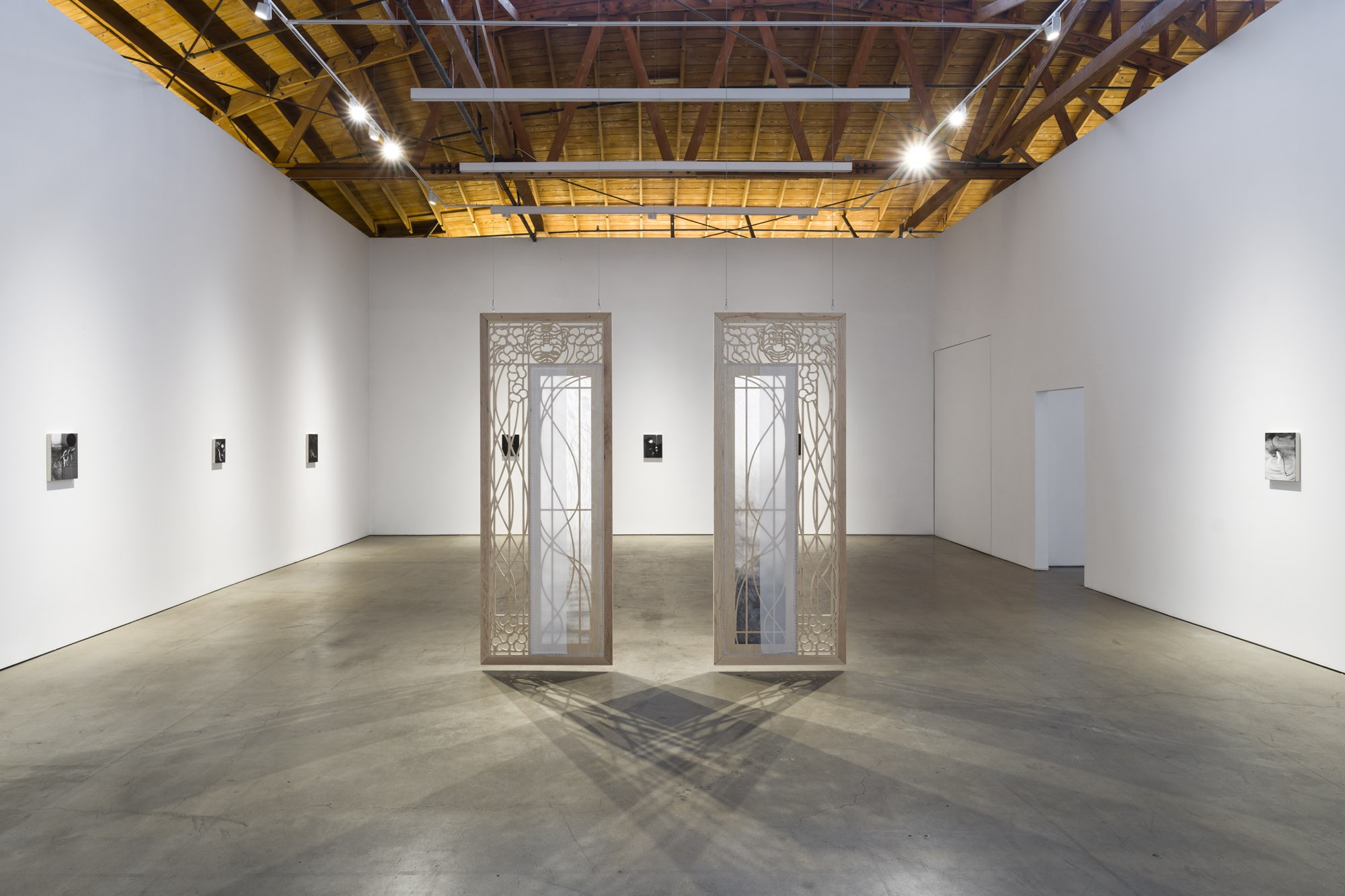
Installation view: Animal Triste, François Ghebaly, Los Angeles, 2025
François Ghebaly is proud to present Animal Triste, Cindy Ji Hye Kim’s third exhibition at the gallery.
In the centuries before the widespread adoption of the Gregorian calendar, agrarian societies in Western Europe represented time as infused with the cycles of nature. Not unlike the modern Farmer’s Almanac or other global calendars based on solar and lunar movements, medieval farming calendars correlated times of the year with the sequence of labors necessary to raise and maintain crops and livestock. The calendars also served an invaluable psychosocial function, offering instruction for the timing of courtship, child-rearing, and other practices, and, in effect, creating a steadfast tie between the social order and the natural world.
These agrarian calendars have become a new part of Cindy Ji Hye Kim’s visual vocabulary, extending the artist’s ongoing engagement with ancient myth, psychoanalysis, and archetypal iconographies. In her newest exhibition Animal Triste, Kim explores ideas of collective action and the psychic reconnection of the human body as it moves through the first six months of the year. Across a series of paintings, the artist depicts the labors and rituals identified with the Spring Equinox through the Autumn Equinox—roughly February through July—, reimagining the calendars’ diminutive peasant scenes in her shadowy grisaille palette. The labors include, in order: making love, pruning, gathering flowers, falconry, mowing, and reaping wheat. In works like Days in the Wind (2025) and Cardinalia (2025), the sweeping motion of a scythe is conveyed by a single, gliding brushstroke, and a couple’s embrace appears as an act of erasure. The forms that emerge in Kim’s paintings reflect the artist’s connection to her materials and to her own hands, mirroring her depicted subjects’ experience of nature and the passage of time.
In large part, Kim’s interest in medieval farming calendars comes from her research into the early origins of Hellenistic astrology and the sexagenary calendar of Ancient China. Moving away from individualistic narrativization, these calendrical systems reflect the artist’s desire to maintain sacred connection with nature rather than to master it or distantiate herself from it. The works in Animal Triste push beyond the confines of the psychic interior as it’s been explored in the arts and letters of the industrial centuries, and seek to acknowledge humanity’s shared journey as it is shaped by land, labor, and the collective unconscious.